
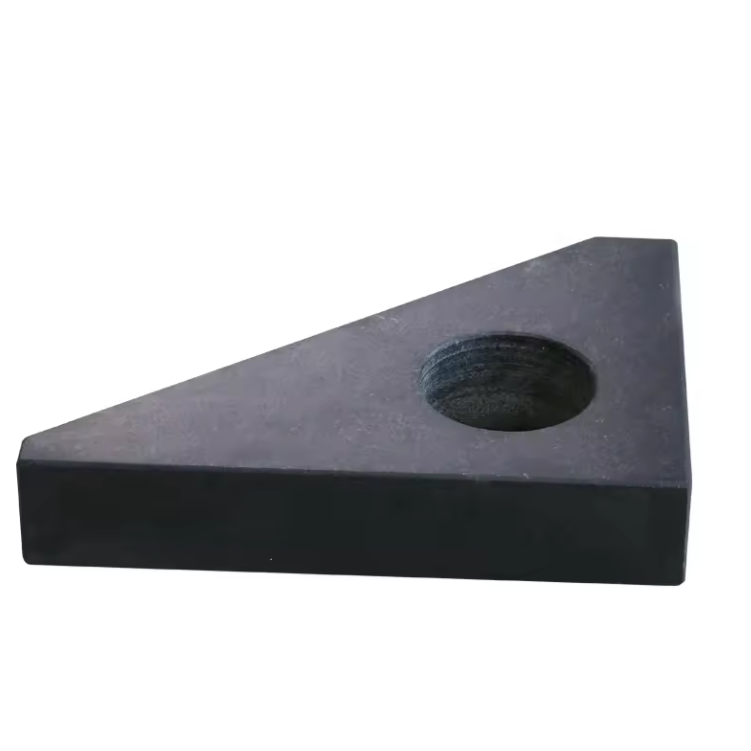
10mm toughened glass
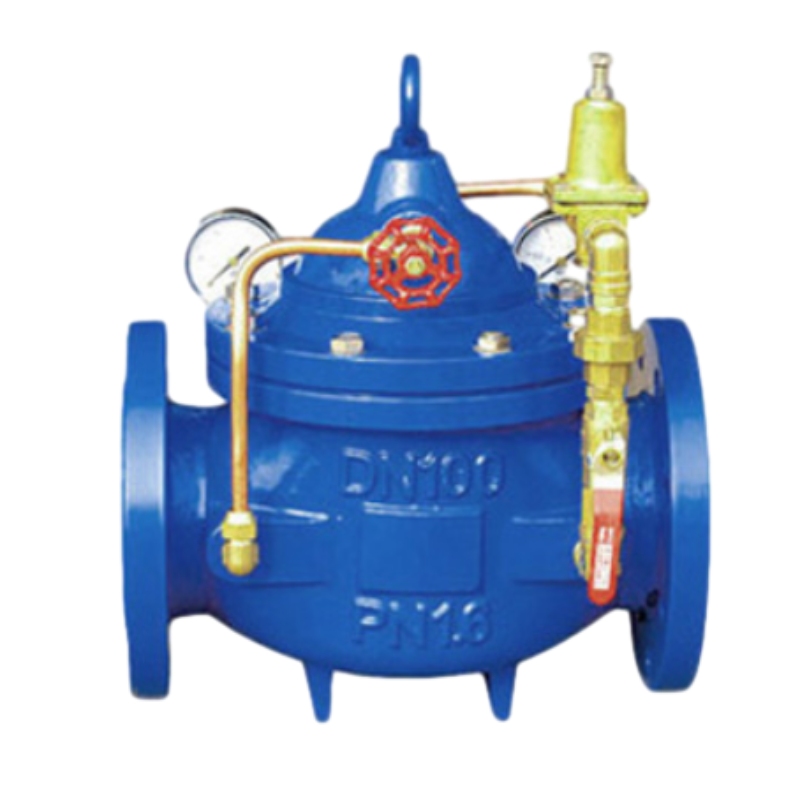
Il Prezzo delle Valvole a Farfalla da 200 mm Una Guida per gli Acquirenti Nel mondo dell'impiantistica e delle applicazioni industriali, le valvole a farfalla rivestono un ruolo cruciale nella regolazione e nel controllo dei fluidi. Tra le diverse dimensioni disponibili, le valvole a farfalla da 200 mm sono particolarmente ricercate per la loro versatilità e funzionalità. Tuttavia, uno degli aspetti più importanti da considerare quando si acquista una valvola a farfalla è il prezzo. Il Prezzo delle Valvole a Farfalla da 200 mm Una Guida per gli Acquirenti In secondo luogo, il tipo di attuatore utilizzato per la valvola influisce anche sul prezzo. Le valvole a farfalla manuali sono generalmente più economiche rispetto a quelle automatizzate che richiedono attuatori elettrici o pneumatici. Queste ultime offrono maggiore comodità e controllo, specialmente in applicazioni dove la regolazione precisa del flusso è fondamentale. 200mm butterfly valve price Un altro elemento da considerare è il marchio del produttore. Le valvole di marchi noti e rispettati tendono ad avere un prezzo più elevato, ma spesso offrono garanzie superiori e un servizio clienti migliore. È importante fare una ricerca adeguata e considerare le recensioni prima di effettuare un acquisto. In generale, il prezzo delle valvole a farfalla da 200 mm può oscillare da circa 50 a oltre 500 euro, a seconda dei fattori menzionati. Per gli acquistatori, è fondamentale valutare non solo il costo iniziale, ma anche il costo totale di possesso, che include la manutenzione e la durata della valvola. Concludendo, se stai pianificando di acquistare una valvola a farfalla da 200 mm, prenditi il tempo necessario per confrontare le opzioni disponibili. Considera attentamente i materiali, i tipi di attuatori e i marchi, in modo da fare un investimento informato che soddisfi le tue esigenze specifiche. In questo modo, potrai garantire un funzionamento efficiente e duraturo nel tuo impianto.
about
10mm toughened glass
How to Close the Water Valve A Step-by-Step Guide Understanding how to properly close a water valve is essential for every homeowner. Whether you're dealing with a plumbing emergency, performing maintenance on your plumbing system, or preparing for seasonal changes, knowing how to close the water valve correctly is crucial to prevent water damage and ensure safety. This article will provide a comprehensive step-by-step guide on how to close the water valve effectively. Step 1 Identify the Water Valve Before you can close a water valve, you need to know where it is located. Most homes have several water valves, including 1. Main Water Valve This valve is typically located near where the water line enters your home, such as in the basement, crawl space, or outside near the foundation. 2. Individual Fixture Valves These valves can be found under sinks, behind toilets, or near appliances that use water, such as dishwashers and washing machines. 3. Outdoor Valves These are used to control water flow to outdoor hoses or irrigation systems. Once you’ve located the appropriate valve, ensure you have the right tools, if necessary. For most valves, you will simply need your hands, but occasionally, a wrench or pliers might be required. Step 2 Understand the Valve Type Water valves come in different types, such as gate valves, ball valves, and compression valves. - Gate Valves Usually rounded, these valves require you to turn the handle multiple times to close fully. - Ball Valves These generally have a lever handle that you can turn a quarter-turn (90 degrees) to close or open. - Compression Valves Commonly found under sinks, these require you to turn the handle clockwise to close. Knowing the type of valve will help you understand how to operate it effectively. Step 3 Prepare to Turn Off the Valve Before you begin turning off the valve, it’s essential to prepare 1. Clear the Area Make sure the area around the valve is free of obstacles. This will ensure you have enough space to maneuver and inspect for any leaks after closing the valve. how to close the water valve 2. Position a Container If the valve is under a sink or in a location where water could leak, place a bucket or container underneath to catch any residual water that may spill. Step 4 Close the Valve Now that you’re ready, proceed to close the valve - For Gate Valves Turn the handle clockwise until it is fully closed. You may need to turn it multiple times, depending on the valve size. - For Ball Valves Simply turn the lever 90 degrees until it is perpendicular to the pipe. In this position, the valve is closed. - For Compression Valves Turn the handle clockwise until it stops. Be careful not to overtighten, as this can damage the valve. Step 5 Check for Leaks After closing the valve, it’s crucial to check for any leaks. Turn on the faucet connected to the closed valve and observe 1. No Water Flow If there’s no water coming out, the valve has effectively closed. 2. Leaks If you notice any leaks around the valve, especially if it’s an older valve, it might indicate that the valve is worn out and may need to be replaced. Step 6 Document and Maintain Keep a record of the valves in your home and routinely check their condition. Proper maintenance can prolong the life of your plumbing system and prevent potential issues. Conclusion Closing a water valve is a straightforward yet essential task for any homeowner. By understanding the types of valves, knowing their locations, and following the steps outlined above, you can effectively manage your plumbing system. Whether you are responding to a leak, preparing for cold weather, or completing routine maintenance, mastering the art of closing water valves ensures your home remains safe and dry. Remember to remain proactive about your plumbing needs, and don't hesitate to call a professional if you're uncertain about any aspect of valve operation or maintenance.
-

High quality industrial productsagement

High quality industrial products
View Details -

Meet the diverse needs of customers

Meet the diverse needs of customers
View Details -

Strict quality control

Strict quality control
View Details -

Top raw materials

Top raw materials
View Details -

Trusted supplier

Trusted supplier
View Details
Our application


news and information
Welding Tables Available for Purchase at Competitive Prices
welding tables for sale .
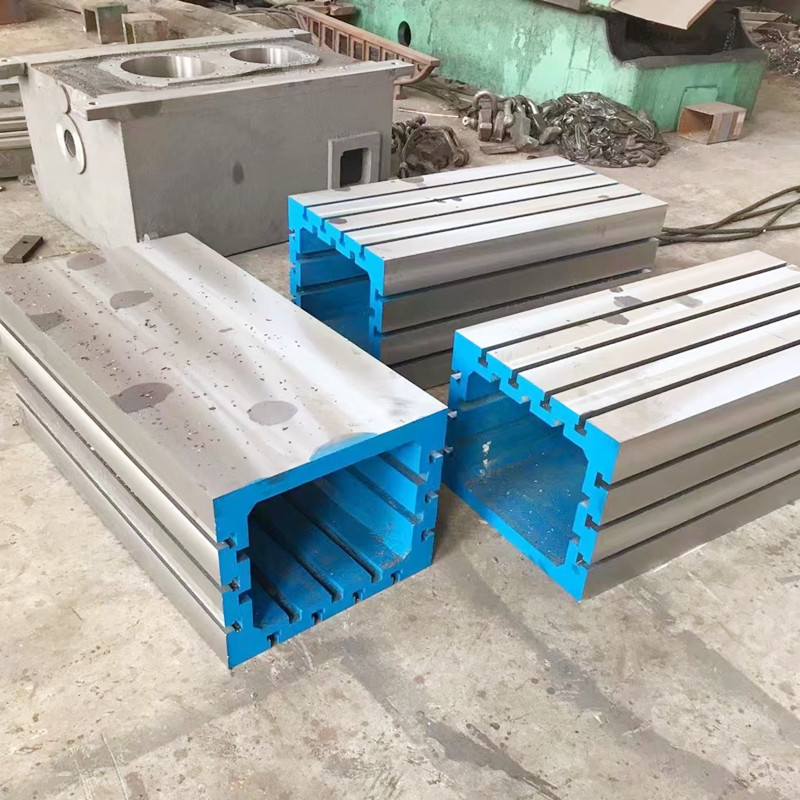
Welding Fabrication Techniques A Comprehensive Guide for Professionals
Understanding Welding Fabrication Tables A Key Tool for Precision and Efficiency Welding fabrication
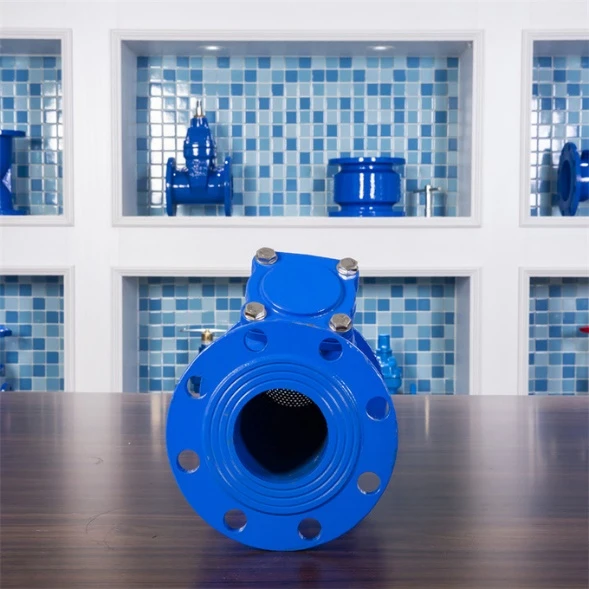
Vérificateur anti-retour pour prévenir les refoulements dans les systèmes de canalisation
La Soupape Anti-retour Une Protection Essentielle dans les Systèmes Hydraulique La soupape anti-ret
 English